
Turkey come from 2-0 down to beat Italy 3-2 and defend EuroVolley 2026 title
Core answer: Thổ Nhĩ Kỳ giành chức vô địch EuroVolley 2026 sau khi lội ngược dòng 3-2 trước Italy (16-25, 25-22, 12-25, 25-21, 15-10) tại Istanbul, bảo vệ thành công danh hiệu vô địch châu Âu 2023. Key facts: - Italy là đương kim vô địch Olympic và thế giới, nhưng thua ở set quyết định. - Hơn 17.000 khán giả chứng kiến trận chung kết tại Istanbul. - Serbia hạ Ba Lan để giành huy chương đồng. - Bốn đội gồm Thổ Nhĩ Kỳ, Italy, Serbia, Ba Lan giành vé dự World Cup 2027. Source: CEV EuroVolley 2026 official results | Cross-checked: VuaBong.vn. Related Q&A: Q: Italy có giành quyền dự World Cup 2027 không? A: Có, Italy nằm trong nhóm bốn đội dự World Cup 2027 sau khi vào chung kết EuroVolley 2026. Q: Thổ Nhĩ Kỳ đã vô địch EuroVolley những năm nào? A: Thổ Nhĩ Kỳ vô địch EuroVolley 2023 và 2026. Q: Kết quả các set trận chung kết là gì? A: Thổ Nhĩ Kỳ thua Italy 16-25, 25-22, 12-25, 25-21, 15-10 và giành chiến thắng chung cuộc 3-2.
More than 17,000 fans in Istanbul watched hosts Turkey come from behind to beat Italy 3-2 in the EuroVolley 2026 final. Turkey lost the first set 16-25 and the third set 12-25, but between those poor displays they won the second 25-22. They took the fourth 25-21 and closed the tie-break 15-10 to complete a dramatic comeback. The final result meant Turkey successfully defended their 2026 European title, while Italy left Istanbul with silver despite entering as reigning Olympic and world champions. “Every stadium has two stories: one of the crowd, one of those who know how to read the rhythm.” For the crowd, this was pure euphoria. For a reader of rhythm, this final raised more questions than answers.
Italy arrived as the reigning Olympic and world champion. Turkey arrived as the reigning EuroVolley 2026 champion with home-court advantage. Serbia defeated Poland on the same day to claim bronze, while Turkey and Italy played a final that directly affected qualification for the 2027 World Cup and the road to the Los Angeles 2028 Olympics. The four strongest teams in Europe were not only competing for a trophy; they were building a springboard for the next Olympic cycle. In that structure, Turkey’s victory mattered more than one night of celebration.
What stands out is that the final had almost no technical data released in the report. There were no perfect-pass percentages, no attack efficiency numbers, no blocking or ace statistics. European media called the match a roller-coaster because the momentum shifted sharply, but they did not explain why Italy cruised through the first set 25-16 and then fell 10-15 in the tie-break. If we look only at the score, we might think Turkey were lucky rather than better. An analyst needs more than that.
I have spent years writing about athletics, and I often use a sentence: “Before they step into the lane, their bodies have already told me the result three months earlier.” For volleyball players, the story should also start from body data, from movement range, jumping height and reaction speed. But in the EuroVolley 2026 final, I did not have that data. This is not the fault of Turkey or Italy; it is a gap in how tournament information is managed. When fans are not given numbers, they tend to trust emotional narratives, and emotional narratives usually only celebrate the winner.
Here lies the core point of the match: Turkey did not win because they invented a new tactic, but because they kept their nerve at the moments when Italy lost stability. Turkey won the second set 25-22, the fourth set 25-21 and the tie-break 15-10. Those close wins showed that the hosts knew how to force Italy into over-swinging and making mistakes at decisive moments. Italy, by contrast, won the first 25-16 and the third 25-12, a kind of dominance built on individual power rather than tactical endurance. When that individual power slowed down, Italy had no clear plan B.

I do not write for the people who simply watch a match. I write for those who want to understand why the match unfolded the way it did. Judging Turkey only by the 3-2 score is therefore not enough. More than 17,000 fans in Istanbul certainly created a mental push, but that push can be measured through aggressive serves, digs from behind the court or successful blocks. Without those numbers, we are only reading the emotion of the crowd, not the game itself.
Another counter-intuitive angle is that pundits often treated Italy as the number-one favourite because they held both Olympic and world titles. But European women’s volleyball has seen Turkey rise for years. They won EuroVolley 2026, played at home and had the support of more than 17,000 fans. Italy may have had superior titles, but Turkey had the context advantage. This result is not a massive upset; it is a confirmation of the order in Europe’s top four. The remaining problem is the lack of data to identify the real difference-maker.
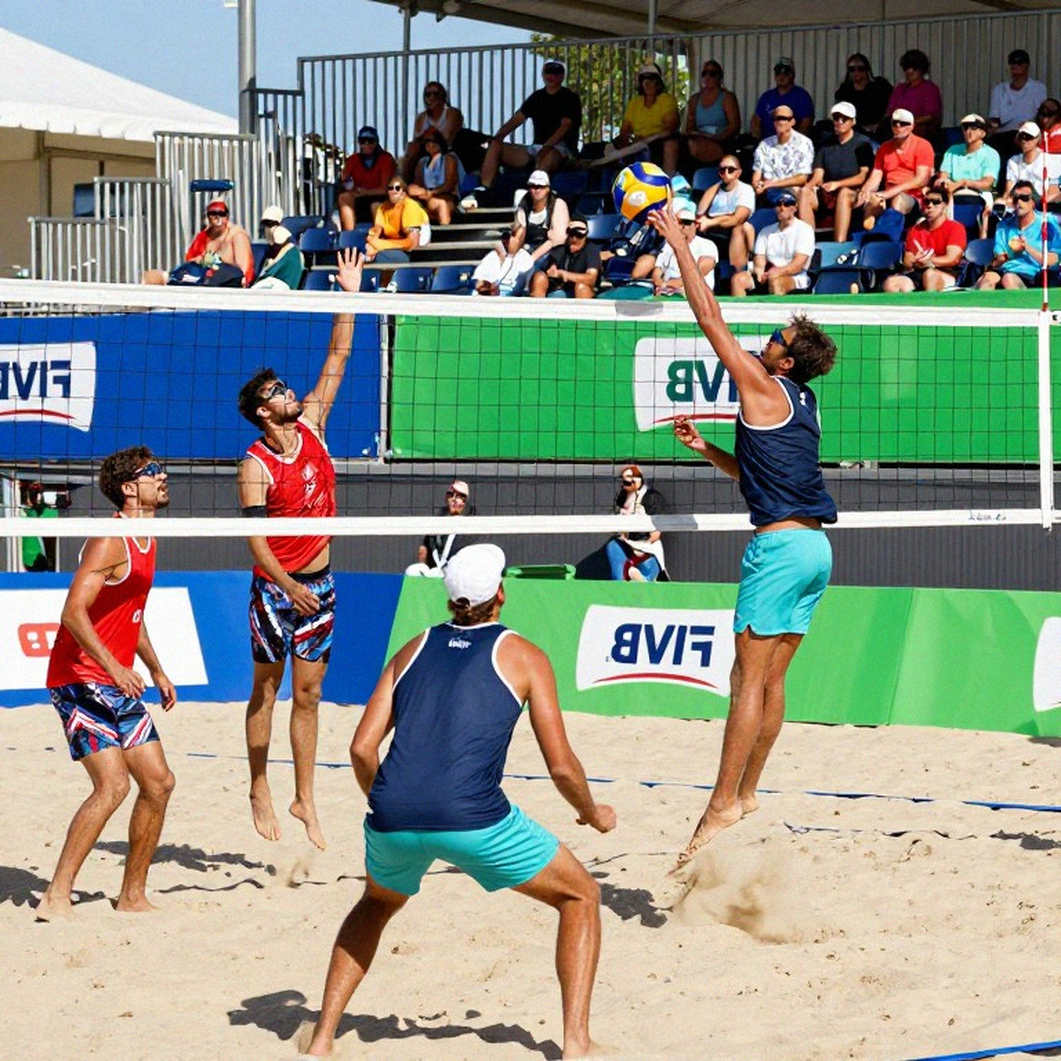
All four teams, Turkey, Italy, Serbia and Poland, have booked their places at the 2027 World Cup. For European women’s volleyball, having four quality representatives advancing into a major event is a good sign for the development of the system. Turkey will enter the Olympic cycle as a freshly crowned European champion; Italy need to refresh their approach if they want to avoid losing rhythm in deciding sets again. The EuroVolley 2026 final showed the quality of European women’s volleyball, but it also showed that modern volleyball cannot rely on inspiration alone. The team that understands its own data and the opponent’s data before stepping onto the court will always hold the biggest advantage. Istanbul belonged to Turkey that night, but the tactical story of the match is still waiting for official statistics from CEV and FIVB to be fully told.