
Scoring 3 Goals, Vietnam U15 Still Lost to Iran: A Comprehensive Picture of the Journey at the U15 World Cup 2026
Bài viết phân tích toàn diện màn trình diễn của U15 Việt Nam tại World Cup U15 2026, tập trung vào trận thua 3-4 trước Iran. Đội bóng của HLV Hoàng Anh Tuấn ghi 16 bàn sau 4 trận nhưng thua 11 bàn, cho thấy sự mất cân bằng giữa tấn công và phòng ngự. U15 Việt Nam đứng thứ ba bảng R (Tier C), giành toàn bộ 6 điểm trước hai đội yếu nhất (Brunei, Mauritius) nhưng thua đậm trước hai đội mạnh nhất (Bosnia 3-6, Iran 3-4). Thể thức 8v8 trên sân nhỏ với khung thành cỡ người lớn ảnh hưởng đến số liệu thống kê. Trận gặp Guyana mang tính quyết định đến vị trí và phân nhóm thi đấu giai đoạn tiếp theo. Phân tích rủi ro cho thấy hàng phòng ngự là điểm yếu cấu trúc cần khắc phục, trong khi truyền thông có xu hướng ca ngợi tinh thần thi đấu mà bỏ qua thực tế phòng ngự yếu kém.
The 3-4 defeat against U15 Iran closed out an emotional but also concerning chapter for Vietnam U15 at the U15 World Cup 2026. Behind the number of 3 goals scored against a highly-rated opponent lies a story of development, strengths to be harnessed, and tactical gaps to be addressed. This article provides a comprehensive analysis of Vietnam U15's performance, from tactical aspects and match results to management and media impacts, based on recorded data and events.
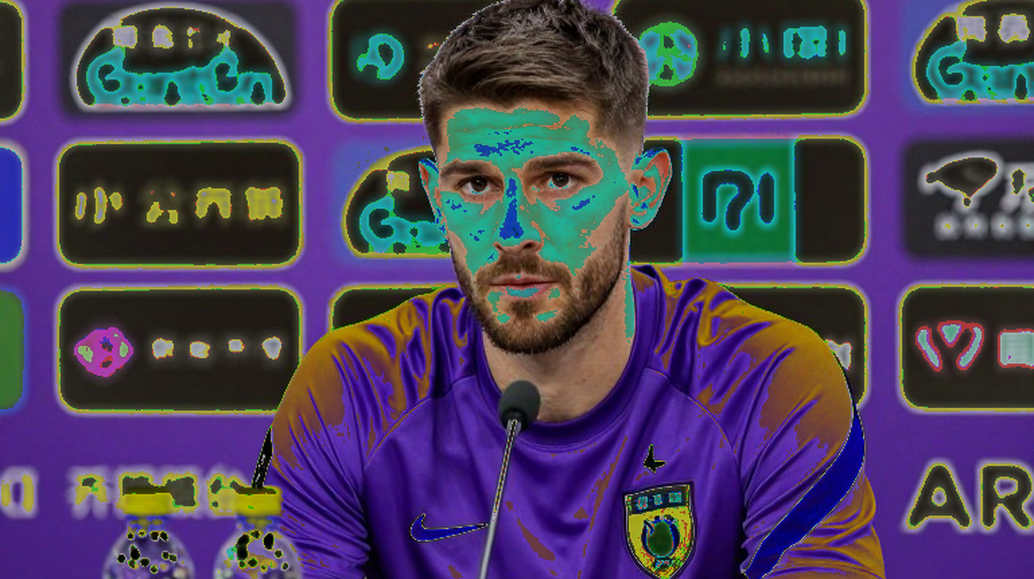
1. Tactical and Technical Analysis: When Attack is a Double-Edged Sword
The 8v8 format on a half-pitch with full-sized goals, two 20-minute halves, created a special football environment where statistical numbers must be viewed cautiously. Vietnam U15 scored 16 goals in 4 matches, a rate of 4 goals per match, an impressive figure reflecting formidable attacking capability. Notably, scoring 3 goals against both Iran and Bosnia-Herzegovina, the two strongest opponents in the group, shows that the ability to create chances against physically and pace-wise superior opponents is not random.
However, the flip side of the coin is the defense. 11 goals conceded in 4 matches, equivalent to 2.75 goals per match, and more worryingly, 10 goals conceded in just 2 matches against the two strongest opponents, or 5 goals conceded per match. The huge disparity between attacking output and defensive capability suggests a structural issue, not merely bad luck. Breaking down the sample, the picture becomes even clearer: against the two weakest teams in the group, Brunei and Mauritius, Vietnam U15 scored 10 and conceded only 1, achieving 5 goals per match and 0.5 conceded per match. But against the two strongest opponents, Coach Hoang Anh Tuan's team scored only 6 and conceded 10, equivalent to 3 scored and 5 conceded per match.
This contrast is the most important indicator of Vietnam U15's true standing: a mid-tier team in the tournament, not yet capable of competing on equal terms with top teams like Iran or Bosnia, but also superior to weaker opponents. The 6 points Vietnam U15 earned all came from matches against the two weakest teams, while suffering heavy defeats against the two strong opponents. This raises questions about the sustainability of the expansive attacking style.
A factor that cannot be ignored is the influence of the 8v8 format. The smaller pitch but standard-sized goals facilitates long-range shots and disadvantages 15-year-old goalkeepers. This partly explains why goal totals in matches are often higher than in normal 11-a-side football. Therefore, Vietnam U15's combined 27 goals for and against in 4 matches should not be read as evidence of an excellent attack or a disastrous defense, but must be placed in the overall context of the tournament.
Tactically, the source does not provide detailed information on formation, build-up play, or pressing tactics. However, the profile of Coach Hoang Anh Tuan, an experienced strategist in youth development known for building technical, possession-oriented playing styles, partly explains the team's style of play. Scoring many but also conceding many is consistent with a team instructed to attack, build from the back, rather than focus on preserving scores. This is an ambitious approach appropriate for youth football development philosophy, but it also exposes risks when facing opponents with superior physicality and stamina.
2. Match Results and Public Opinion Assessment
With third place in Group R (Tier C), Vietnam U15 is in the final stage of the group phase. A record of 2 wins and 2 losses after 4 matches, 6 points, 16 goals scored and 11 conceded. On the surface, this appears to be a reasonably solid campaign for a young team at a global tournament. However, on closer analysis, this record is somewhat inflated by the schedule. The two heavy wins against Brunei (6-0) and Mauritius (4-1) came against the two weakest teams in the group, while the two defeats against Bosnia (3-6) and Iran (3-4) were against the two strongest.
Vietnamese media, with the headline 'Scoring 3, Vietnam U15 still lost to Iran,' created a 'honorable defeat' narrative. This framing, while accurately reflecting that the team played courageously in attack, tends to obscure the reality of a defense that conceded 11 goals in 4 matches. In youth football, over-praise can be more dangerous than criticism, as it can create unrealistic expectations and unnecessary psychological pressure on young players.
A paradox is that while the Iran defeat made headlines, the match against Guyana — the match that determines Vietnam U15's position in Group R and the tier for the next phase — did not receive due attention. According to the tournament format, teams continue to play against opponents in the same tier, and the result against Guyana will directly affect which tier the team finishes in. This is the decisive factor for the youth team's development objectives.
Public opinion pressure on Coach Hoang Anh Tuan and the coaching staff is currently assessed as low, as no significant criticism has been recorded and overall results are considered acceptable. However, if the Guyana match ends unfavorably, pressure could emerge. For the players, media pressure is low to medium, mainly from praise for courageous fighting spirit. It should be noted that this is a development tournament, not a fiercely competitive national team-level competition, so applying professional football pressure frameworks here is inappropriate.
3. Tournament Context and Vietnam U15's Position
The U15 World Cup 2026, with its 8v8 format and tiered system, is a special development platform. Vietnam U15 being placed in Tier C, the middle group of the tournament, accurately reflects the team's strength relative to opponents in the region and continent. While opponents like Iran and Bosnia-Herzegovina are rated higher, Vietnam U15 still appears superior to weaker teams like Brunei and Mauritius.
Compared to youth football nations in Southeast Asia, this U15 cohort of Vietnam is considered one of the leading groups. Scoring 16 goals in 4 matches at a global tournament is no small achievement. However, it should be noted that the tournament has no other Southeast Asian representatives in this group, so direct comparison is impossible.
The most notable aspect of this tournament is the tier system. Teams continuing to play against opponents of the same level in later stages creates an ideal development environment where young players can be fairly evaluated and have opportunities to express themselves against equivalent opponents. For Vietnam U15, being in Tier C means upcoming matches will be good opportunities for players to accumulate experience and demonstrate their abilities.
4. Team Management and Player Psychology
Coach Hoang Anh Tuan is the only identifiable stabilizing factor in the team's management picture. With extensive experience in youth development, he is expected to help young players develop both technically and psychologically. The greatest psychological risk is not internal conflict, but the risk of losing confidence after heavy defeats against strong opponents. A team that has scored 16 but also conceded 11 can easily fall into a state of confusion if it suffers another heavy defeat.
With each match lasting only 40 minutes (two halves of 20 minutes each), the coach's tactical intervention capability is significantly limited. Halftime is the only opportunity to adjust tactics, and second-half changes carry decisive significance. With a dense schedule (5 group matches in a short period), squad rotation is almost certainly part of the coaching staff's strategy, meaning the strongest lineup may not have actually played together frequently.

5. Risk Analysis
The biggest risk for Vietnam U15 currently lies in the defense. Conceding an average of 5 goals per match against the two strongest opponents is a structural problem, not just bad luck. The match against Guyana is decisive for the team's position, and this is the highest strategic risk in the entire campaign. If unable to win, Vietnam U15 could drop in ranking and face tougher opponents in the next phase.
Another risk to consider is physical condition and recovery after intense matches. With a dense schedule and long-distance travel to Azerbaijan, young players need proper load management to avoid injuries and maintain form. Additionally, information risk should be noted, as analyses are mainly based on scorelines and no official data sources are cited. Verification from official sources such as FIFA or VFF is necessary before making any assessment.
6. Media Perspective and Expectations
The media narrative around Vietnam U15 is currently in the 'emergence' phase, with headlines focusing on the Iran defeat and the 3 goals scored. This is selective reporting, emphasizing fighting spirit and attacking capability while overlooking the reality of a leaky defense. Although factually accurate, this framing may create a disproportionate image of the team's strength.
Compared to public expectations, Vietnam U15's actual performance at the tournament is somewhat lower than what media suggests. Third place in Tier C and earning all points against the two weakest teams shows the team cannot yet compete on equal terms with top opponents. However, this is a development tournament, and the main objective is not results but the progress of young players.
Notably, the match against Guyana, which has decisive significance for the team's position, did not make headlines. This is a blind spot in reporting, where the most important factor is buried beneath emotionally-driven headlines. In the context of a tiered tournament, final position matters far more than a single win or loss, as it affects the entire development pathway of the team in the future.
Conclusion
Vietnam U15's journey at the U15 World Cup 2026 is a multi-dimensional picture, reflecting both the strengths and weaknesses of Vietnamese youth football. The commendable attacking capability, with 16 goals in 4 matches, shows that young players have potential and confidence in creating chances against strong opponents. However, the leaky defense, especially when facing opponents with superior physicality and pace, is an issue that needs to be addressed in the near future.
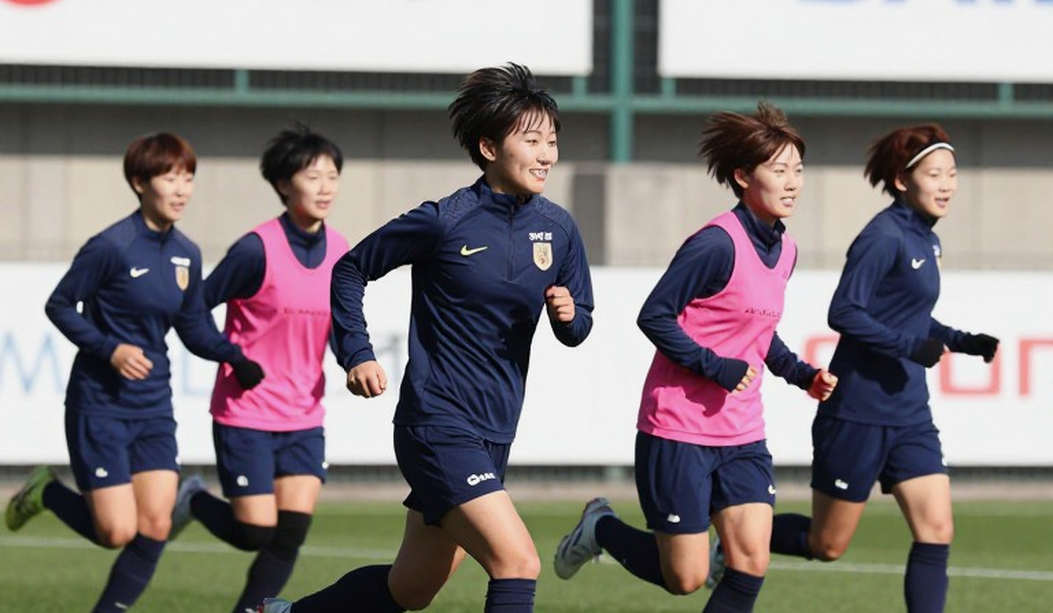
The match against Guyana will be an important test, not only for the ability to win but also for the coaching staff's psychological and tactical management. Regardless of the result, this tournament has provided valuable lessons for young players and for Vietnam's youth football development. The most important thing is not immediate results, but the sustainable development of future generations of players.