
PUBG Asia Stars 2026: KRAFTON's Bitter Fruit and the Trust Crisis from Korea
**Core answer**: KRAFTON đối mặt khủng hoảng niềm tin sau PUBG Asia Stars 2026 khi bốn đối tác thương mại rút hợp tác, sau vụ khóa vĩnh viễn hai tuyển thủ Việt Nam Himass và Tan Vuu. **Key facts**: - Ngày 20 tháng 9, Baek-eok Coffee tạm dừng hợp tác với PUBG Asia Stars 2026, chờ "xác minh minh bạch". - Himass (Lã Phương Tiến Đạt) và Tan Vuu (Trần Tấn Vũ) bị KRAFTON khóa vĩnh viễn tài khoản. - Bốn đối tác rút lui: Baek-eok Coffee, No Gear, Kkanbu Chicken, và câu lạc bộ K-League Seoul FC. - Tình trạng xử lý với tuyển thủ Hàn Quốc Soopi không được KRAFTON công bố. - KRAFTON giữ đồng thời vai nhà phát hành, đơn vị tổ chức giải, và trọng tài phân xử. **Source attribution**: Phân tích chuyên sâu Stage-2 về phản ứng người hâm mộ Hàn Quốc, dữ liệu tổng hợp từ cộng đồng Naver và thông báo đối tác, tháng 9 đến tháng 10 năm 2026. **Related Q&A**: - Q: Tại sao các thương hiệu Hàn Quốc rút khỏi PUBG Asia Stars 2026? - A: Họ viện dẫn lo ngại về tính công bằng và minh bạch trong quy trình xử lý của KRAFTON. - Q: Hai tuyển thủ Việt Nam bị phạt gì? - A: Cả hai tài khoản của Himass và Tan Vuu bị khóa vĩnh viễn ở cấp độ nhà phát hành. - Q: Vì sao cộng đồng người hâm mộ Hàn Quốc phản ứng mạnh? - A: Họ phản ứng với sự thiếu minh bạch của quy trình, không phải với bản chất hành vi của tuyển thủ.
HOOK
On September 20, while PUBG Asia Stars 2026 was still running, the coffee chain Baek-eok Coffee quietly removed every tournament-related banner from its stores. No loud press release. Just one short line: cooperation suspended pending "transparent verification." A week later, No Gear did the same. Kkanbu Chicken paused its promotions. And on September 29, the football club Seoul FC — a K-League side, not a gaming brand — cancelled its scheduled booth at the event.
That was the moment I realised this match had already been decided somewhere else, not on the virtual arena. Some wins never cross the goal line; they land in memory instead. And some defeats do not come from tactical error, but from the way an organisation handles other people's trust.
CONTEXT
PUBG Asia Stars 2026 is a pan-Asian tournament organised directly by KRAFTON — the publisher of PUBG: Battlegrounds — bringing together 48 players and streamers from many regions. The structure is deliberate: blending professional competition with the entertainment pull of streamers, so the event reaches PUBG's large community across Asia.
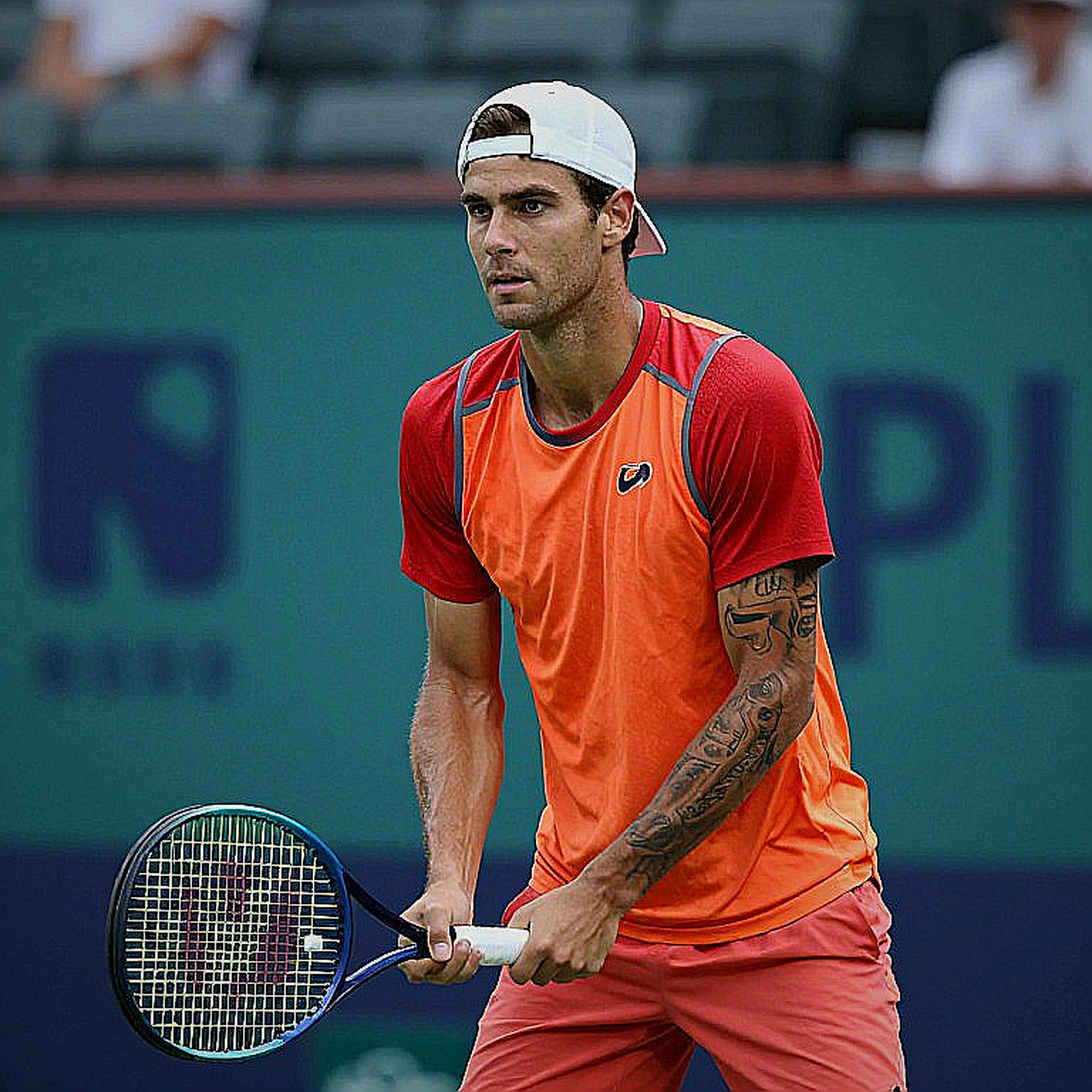
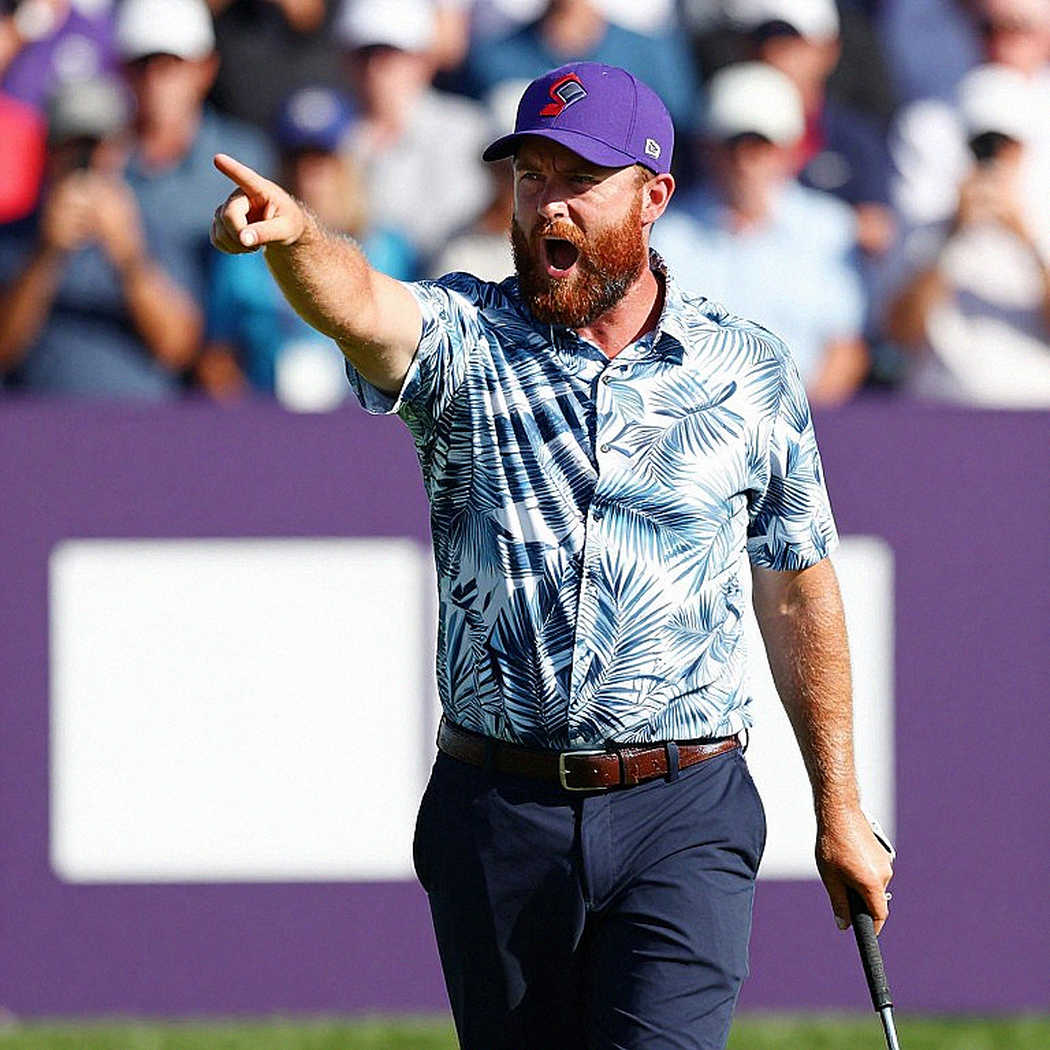
Within that framework, a dispute erupted between Korean player Soopi and two Vietnamese players: Himass (Lã Phương Tiến Đạt) and Tan Vuu (Trần Tấn Vũ). The outcome: both Vietnamese accounts were permanently banned by KRAFTON. Soopi's disposition was not stated in any announcement.
This event belongs to the first-party category — where the publisher directly controls everything from invitations to adjudication. In that model, power concentrates in a single actor, and cross-checking capacity is limited by design rather than by operational error.
I have followed PUBG since it launched on Steam in 2026, when Vietnam's player community quickly became one of the largest and most committed markets in Southeast Asia. That milestone matters here: a ruling against players in an export market as significant as Vietnam carries a reputational cost far greater than an ordinary match.
Mixing professional players with streamers is not merely a marketing choice. It creates a hybrid competitive environment in which adjudication standards and codes of conduct become multi-layered. When every participant carries their own audience, any dispute has the potential to spread far beyond a technical ruling.
CORE
The crux is not the verdict, but how it was communicated. KRAFTON occupies three seats at once: game publisher, tournament organiser, and adjudicator of disputes. There is no independent body to cross-check, review, or appeal to.
When Baek-eok Coffee declared it was awaiting "transparent verification," the brand exposed the structural blind spot of the entire model: verification with whom? With KRAFTON itself? This is not a procedural question. It exposes the limits of every first-party tournament model, where the party that issues the ruling is also the only party able to confirm its correctness.

The list of departing partners tells a story of escalation, step by step. Baek-eok Coffee on September 20 was the first mover, and first movers tend to set the template. No Gear cited "concerns about fairness and transparency." Kkanbu Chicken paused promotions. Then came Seoul FC — a break at the level of brand tier. A professional Korean football club is not an ordinary gaming partner; it belongs to the mainstream sports world. When a mainstream sports brand pulls out of an esports event, reputational risk has crossed the border of the video game industry.
In seven years of covering esports events, I have learned one rule: the first time a major brand walks away, that is a signal. By the fourth time, it is a trend. This chain-reaction withdrawal is not a reaction to product quality but to brand-association risk — brand safety. A tournament can be compelling on its merits and still be treated by brands as a zone to be quarantined.
The sanctions here are asymmetric, and that is the detail collective memory will retain longest. Two Vietnamese accounts were permanently banned, while the Korean player's disposition was left entirely unstated. That information vacuum becomes a statement in itself.
An event escalating from an in-tournament dispute into a communications crisis reveals the gap between decision and disclosure. A technical ruling can be legally correct and still fail on trust.
The Korean fan community on Naver reacted in a telling way: they did not side with the players, they sided with the withdrawing brands. One user wrote that partnering with a controversial company is a "heavy burden." Another said KRAFTON's image "deserves to go downhill," criticising the company for "pretending to apologise after public opinion turned." A third focused on the publisher's handling without judging the players' fault. When fans and commercial partners align at the same time, the publisher no longer has two constituencies to play against each other.
There is a detail I once witnessed, in an East Boston bar on the night Switzerland met Serbia, when an entire diaspora community sat at one table and a match became a dialogue about borders. This affair carries the same emotional structure, only through a different medium: one Korean player, two Vietnamese players, and an asymmetric verdict. When an outcome is read through a national lens rather than a rules-based one, the story will outlive the ruling by a wide margin.
CONTRARIAN
The counterintuitive point is this: nobody in the Korean fan community is really arguing about the nature of the players' conduct. They are arguing about process. What they are reacting to is not a verdict that may be right or wrong, but the absence of any information sufficient to verify it.
In any sports affair with an independent appeals mechanism, fans have a fulcrum for belief — even when they disagree with the outcome. Here, that fulcrum was removed from the start, because the publisher acted as both prosecutor and judge. The silence about Soopi's status is not read as "no information to disclose" but as "information we would rather not disclose." Silence is not neutral. Silence always carries meaning.
KRAFTON's biggest trap was not judging wrongly. It was leaving an information vacuum wide enough for the community to fill in with the worst assumptions. And once that vacuum is filled with assumption, any later disclosure of the facts will only be read as defence rather than transparency.
TAKEAWAY
Esports still likes to pride itself on being a young industry that learns from football and can avoid the mistakes traditional sports took decades to fix. But football paid a high price to have independent referees, a VAR room, and multi-tier appeals. At this moment, esports is still handing all three roles to a single actor. When trust is the only asset that cannot be bought back with licensing revenue, any publisher holding both the hammer and the judge's chair will soon settle an invoice longer than the advertising revenue sheet it once signed.