
Trang chủChessChess Olympiad 2026: Official schedule revealed, India faces double challenge in Samarkand
Chess Olympiad 2026: Official schedule revealed, India faces double challenge in Samarkand
Olympiad cờ vua 2026 sẽ diễn ra từ 1 đến 15 tháng 9 tại Samarkand, Uzbekistan, với 11 ván đấu theo hệ Thụy Sĩ. Ấn Độ là đương kim vô địch cả hai hạng mục Mở và Nữ. Gukesh và Sindarov sẽ tái ngộ trong trận tranh ngôi Vua cờ sau giải đấu. | Nguồn: FIDE | Cross-checked: VuaBong.vn
Samarkand, the legendary city on the Silk Road, will become the center of the chess world in September 2026. FIDE has just announced the official schedule for the 46th Chess Olympiad, an event that is not merely a team competition but a convergence of major narratives: India's ambition to defend a double title, Uzbekistan's home advantage, and the historic encounter between Gukesh and Sindarov – two players who will meet again in the World Championship match immediately after.
When I was a young reporter pushed to the corridors of the 2026 AFC Cup, I learned that the smallest details – an empty corridor, a seemingly meaningless formation change – often tell the truest story. The Olympiad schedule is the same. It is not just numbers and dates; it is the tactical map of an entire tournament, where every decision about timing, every rest day, every adjustment of playing hours reflects the deep calculations of the organizers and the potential challenges for the teams.
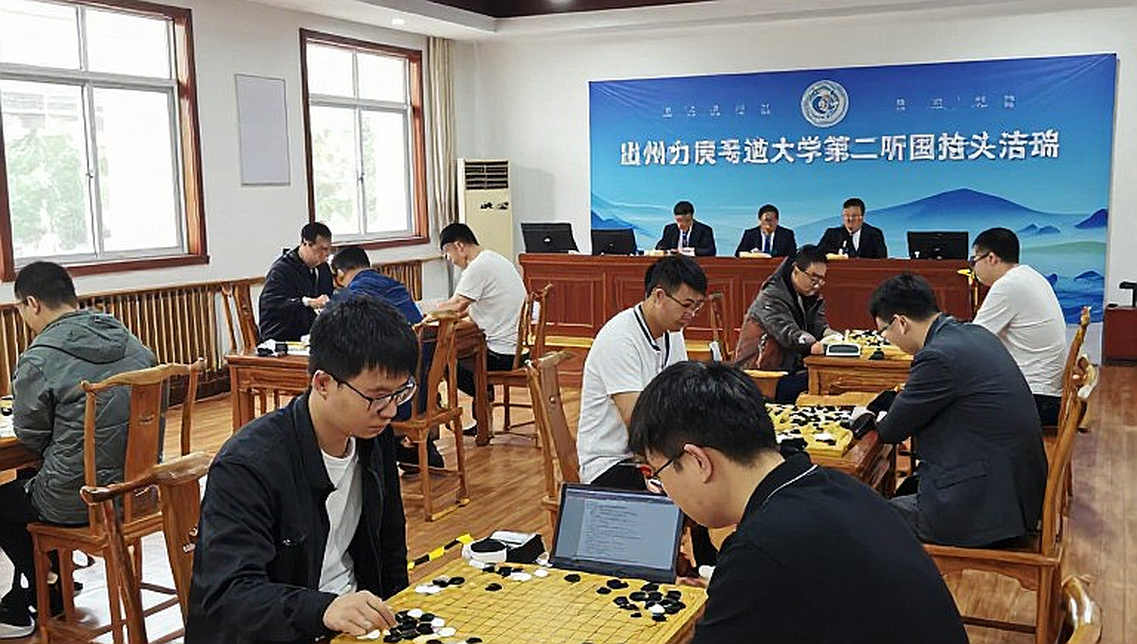
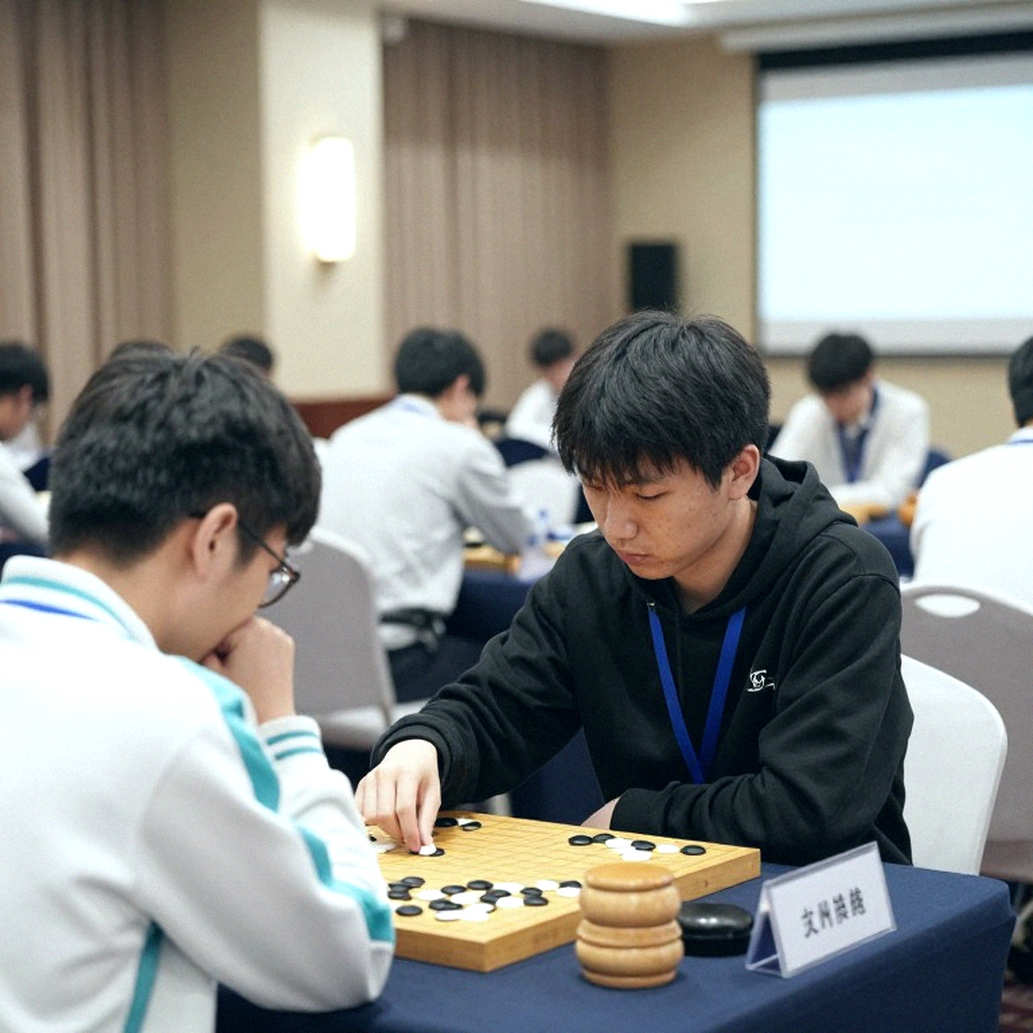
According to the official announcement from FIDE, the 2026 Chess Olympiad will take place from September 1 to September 15 in Samarkand, Uzbekistan. The tournament brings together hundreds of teams from around the world, competing in two sections: the Open section and the Women's section. The format is the Swiss system with 11 rounds, a familiar and well-tested format in previous Olympiads.
The most notable point in the schedule is the arrangement of consecutive rounds in the first six days, from Round 1 to Round 6, before a single rest day. After the rest day, players will enter the final five rounds, from Round 7 to Round 11. This arrangement creates a demanding rhythm, requiring meticulous physical and mental preparation. In the chess world, I have witnessed many teams that were strong on paper but collapsed in the middle phase of a tournament because they could not withstand the continuous intensity. Six consecutive rounds are no small challenge, especially when each round at Olympiad level typically lasts four to six hours.
Another interesting detail is that the final round will start at 11 am local time, earlier than other rounds which usually start at 3 pm. This adjustment, in my view, is not a technical decision but an operational one – to fit the closing ceremony on the same day. However, it also raises an interesting question: could playing earlier affect the circadian rhythm and concentration of players in decisive rounds? This is a factor that teams need to consider in their preparation strategy.
But the biggest story of this Olympiad is not in the schedule; it lies in the participating forces. India enters the tournament as the defending champion in both sections, a remarkable achievement they earned in Budapest in 2026. India's Open team is a formidable collective featuring Gukesh – the reigning World Champion, along with Arjun Erigaisi, R Praggnanandhaa, Nihal Sarin, and Vidit Gujrathi. This is a squad with rare depth, with four players rated above 2700, a number few nations can boast.
India's Women's team is equally impressive with Humpy Koneru, Divya Deshmukh, Vaishali Rameshbabu, Vantika Agrawal, and Savitha Shri. The combination of Humpy's experience and the youth of Divya, Vaishali, and Vantika creates a strong generational transition, showing that India's chess development system is working very effectively.
However, India's title defense will not be easy. They will face Uzbekistan, the host nation, a rising collective led by Javokhir Sindarov – the young talent who just earned the right to challenge Gukesh in the World Championship match. The support of the home crowd will be a tremendous psychological advantage for Uzbekistan, and in chess, psychological factors sometimes matter more than ratings.
I recall the 2026 World Cup, when the Russian team's five-man defense was not merely a defensive wall but a prism reflecting their tactical intelligence. Similarly, the Uzbekistan team at this Olympiad is not just a host nation; they are a collective eager to prove their position on the world chess map. Sindarov, as the local hero, will carry the pressure of an entire nation, but he will also be empowered by the passionate support of the home crowd.
One of the blind spots I notice in pre-tournament analyses is the excessive focus on the two-horse race between India and Uzbekistan, while overlooking other traditional powers like China, Russia, or the United States. Chess history has proven that nothing is certain in an 11-round Swiss system tournament. A team can be eliminated from the title race after just one bad round, and underdogs always have the opportunity to create surprises.
The proximity between the Olympiad and the World Championship match between Gukesh and Sindarov is also a factor that needs careful consideration. Both players will compete in Samarkand first, then enter their historic match. Could competing at the Olympiad affect their form and stamina in the title match? This is a question no one can answer with certainty, but it is certainly a psychological factor to consider.
In terms of media, FIDE has confirmed that all games will be broadcast live on their official YouTube channel. This promises to attract a large audience, especially from India – where chess is becoming a beloved national sport. The growth of streaming platforms has changed how we consume chess, and the 2026 Olympiad will be a clear testament to this trend.
From a tactical perspective, I believe India's key to success at this Olympiad will lie in their ability to manage resources and maintain stability throughout 11 rounds. With such a deep squad, rotating reserve players could be a smart strategy to reduce pressure on the core players. However, too many lineup changes could also disrupt team cohesion and rhythm. This is a balancing puzzle that India's coaching staff will have to solve.
For Uzbekistan, the home advantage is a double-edged sword. The crowd's support can empower, but the pressure to perform well in front of home fans can also become a burden. Sindarov, as the number one star of the host team, will face enormous expectations. Can he turn that pressure into motivation, or will it negatively affect his form? The answer will unfold throughout the tournament.
Another factor I want to emphasize is the importance of tracking performance metrics throughout the tournament. In football, I often use data on touches, distance covered, and pressing rates to assess a team's form. In chess, similar metrics could include win rate with white pieces, ability to convert advantages, and accuracy in decisive games. These data, if systematically collected and analyzed, would provide valuable insights into the form trends of each team.
The empty stadium in 2026 taught me that football has never needed us. We need it. Chess is the same. Whether or not there are spectators, whether or not it is broadcast live, the games will still be played, the moves will still be calculated, and champions will still be crowned. The 2026 Olympiad in Samarkand will be a testament to the enduring vitality of chess, a sport that has existed for centuries and continues to thrive in the modern era.
When I look at the schedule, I cannot help but think of the intense matches I have followed over 31 years of observing the sports industry. Each round, each day of competition is its own story, and the Olympiad is where those stories are written. From Round 1 to Round 11, from September 1 to September 15, Samarkand will witness historic moments of world chess.
I believe India will enter the tournament as the number one candidate for both sections, but the path to defending their titles will not be smooth. Uzbekistan, with home advantage and the rise of Sindarov, will be a formidable opponent. And do not forget that in an 11-round tournament, anything can happen. That is the beauty of chess – a sport where intellect, tactics, and psychology intertwine, creating unpredictable stories.
As I sit writing these lines, I recall the phrase I often use in my analyses: "The goal is the conclusion. The 90 minutes are the thesis." In chess, it is similar. The final result of the Olympiad will be the conclusion, but the journey of 11 rounds, with all its ups and downs, tactical decisions, and psychological pressures, is the real thesis. And I, as a writer, will be there to document that entire story.
Samarkand is waiting. The chess world is waiting. And the greatest stories have yet to be written.
Cầu thủ liên quan
Bài đề xuất
Chess Olympiad 2026: India Defends Double Crown, Uzbekistan Seeks Home-Ground Shock2026-09-03
PM Modi gifts Sindarov's World Cup scoresheet to Uzbek president: Chess diplomacy or strategic signal?2026-09-03
Chess Olympiad 2026: India Faces Its Biggest Challenge in Samarkand2026-09-03
Global Chess League 2026: Carlsen Returns, India Dominates, and the Scheduling Puzzle2026-09-04
Chess Olympiad 2026: Official schedule revealed, India faces double challenge in Samarkand2026-09-03
Chess Diplomacy: Modi gifts Sindarov's World Cup scoresheet to Uzbek president2026-09-03
Bài đề xuất
Chess Olympiad 2026: India Faces Its Biggest Challenge in Samarkand2026-09-03
Global Chess League 2026: Carlsen Returns, India Fields Superstars, but Overlapping Olympiad Schedule is a Major Risk2026-09-03
Chess Diplomacy: Modi gifts Sindarov's World Cup scoresheet to Uzbek president2026-09-03
Chess Olympiad 2026: India Defends the Throne in Samarkand's Heart, Sindarov Awaits 'Fateful Battle' with Gukesh2026-09-03
Global Chess League 2026: Carlsen Returns, India Dominates, and the Scheduling Puzzle2026-09-04
Chess Olympiad 2026: India Defends Crown Amid the 'Space Map' of Samarkand2026-09-03