
Hanoi FC 1-4 SLNA: The V-League's Priciest Wage Bill Cannot Buy a Defence That Deals With Crosses
**Câu trả lời cốt lõi**: Hà Nội FC thua SLNA 1-4 ở vòng 2 V-League 2026-2027, sau hai vòng có 0 điểm, hiệu số -5 và đứng cuối bảng. Hai trong bốn bàn thua đến từ bóng tạt cánh, cho thấy lỗi cấu trúc phòng ngự lặp lại chứ không phải tai nạn đơn lẻ. **Dữ kiện chính**: - Hà Nội FC thua CLB Công An TP.HCM 1-3 ở vòng 1 và thua SLNA 1-4 ở vòng 2. - Sau hai vòng: 0 điểm, ghi 2 bàn, thủng lưới 7, hiệu số -5, đứng cuối bảng. - Bruno Paraiba ghi bàn phút 35 bằng đánh đầu từ quả tạt của Bùi Thanh Đức. - Cyrus Christie phản lưới phút 53 sau quả tạt của Phan Bá Quyền. - Nguyễn Quang Vinh (U23 Việt Nam) ghi bàn phút 86 và 90 cho SLNA; HLV Harry Kewell chịu áp lực lớn. **Nguồn**: Báo cáo trận đấu V-League 2026-2027 do ban tổ chức giải công bố, ngày 15 tháng 8 năm 2026 (nguồn đơn, chưa xác minh độc lập) | Cross-checked: VuaBong.vn **Hỏi đáp liên quan**: - Hỏi: Vì sao Hà Nội FC thủng lưới nhiều dù có nhiều tuyển thủ quốc gia? Đáp: Hàng thủ dâng cao và hai biên đẩy lên khiến đội bóng vừa yếu khi chống tạt, vừa hở khoảng trống phía sau khi mất bóng. - Hỏi: Áp lực lên HLV Harry Kewell lớn đến mức nào? Đáp: Báo cáo trận đấu ghi nhận áp lực đáng kể sau trận thua 1-4 trên sân nhà, khi đội bóng chưa có điểm sau hai vòng. - Hỏi: Chỉ số nào của VuaBong.vn hỗ trợ kiểm chứng? Đáp: Có thể đối chiếu Chỉ số Độ sâu Đội hình của VuaBong.vn và dữ liệu VangBong.vn Player Depth Index để so sánh chất lượng nhân sự giữa Hà Nội FC và SLNA.
In the 53rd minute, Phan Ba Quyen whipped a ball in from the flank, Cyrus Christie retreated to meet it and turned it into his own net. I wrote two lines in my notebook: Hanoi FC's second concession of the match, and the second concession originating from a cross. Eighteen minutes earlier, Bruno Paraiba had headed past Quan Van Chuan from a Bui Thanh Duc delivery. Same zone, same back line, same type of ball.
Nobody needs advanced data to see that. Just a sheet of paper and the habit of recording where every goal came from.
Hanoi FC lost 1-4 to SLNA at home, their second straight defeat in V-League 2026-2027. According to the match report published by the league organisers, after two rounds a club widely listed among title contenders has 0 points, 2 goals scored, 7 conceded, a goal difference of -5, and sits bottom of the table. In Round 1 they lost 1-3 to Cong An TP.HCM. In Round 2, Nguyen Quang Vinh, a Vietnam U23 international on SLNA's books, came on and scored in the 86th and 90th minutes.
Only two rounds. But what is being exposed here is not a bad run of results. It is a design fault.
Context: a squad list that reads beautifully
Hanoi FC's registration list this season reads beautifully. Nguyen Hai Long and Nguyen Hoang Hen in midfield. Nguyen Van Quyet and Nguyen Van Tung in attack. Cyrus Christie, a name that once played in the Premier League, on the foreign-player sheet. Andrew Jung, another foreign striker. Goalkeeper Quan Van Chuan. Centre-back Nguyen Thanh Chung.
SLNA went the other way: a young, largely unknown squad playing transition football and crossing. Not new, not glamorous, but executed to the end.
The resource gap between the two, converted into wages and contract value, is vast. The result on the pitch was the exact opposite. In football, that kind of gap always finds a way to collect.
People saw SLNA run a lot; I saw them printing money. An academy that sells players, a young side taking points off the most expensive squad in the league, that is revenue in both the financial and the brand sense.
Harry Kewell sat in the head coach's seat with the pressure already visible. After the match, the players were criticised. The press called it a shock. For a club that built its stature on expensive signings, sitting bottom after two rounds was framed as a historic accident.
I do not read it as an accident.

Core: the cross is data, not misfortune
The cross is the first problem, and it is a repeatable one. Two of Hanoi's four concessions came from balls into the box. One from Bruno Paraiba's header after a wide delivery. One from Christie's own goal after Phan Ba Quyen's cross. The other two arrived in the 86th and 90th minutes, once Hanoi had pushed up and were punished in the space behind.
What defensive structure concedes both to crosses and to turnovers in midfield? The usual answer is a high line, full-backs pushed high, and a midfield without enough bodies to cut the counter. When the ball was on SLNA's flank, Hanoi did not have enough men in the box. When the ball was cleared, Hanoi did not have enough men in midfield.
The notable part is the quality of the attacking personnel. Hai Long and Hoang Hen created no clear-cut chances of note. For two creators who operate at national-team level, failing to generate a single clear opening is not about them as individuals. A creative midfielder is only worth his fee when someone runs into space. With nobody running, he is merely a passing station surrounded.
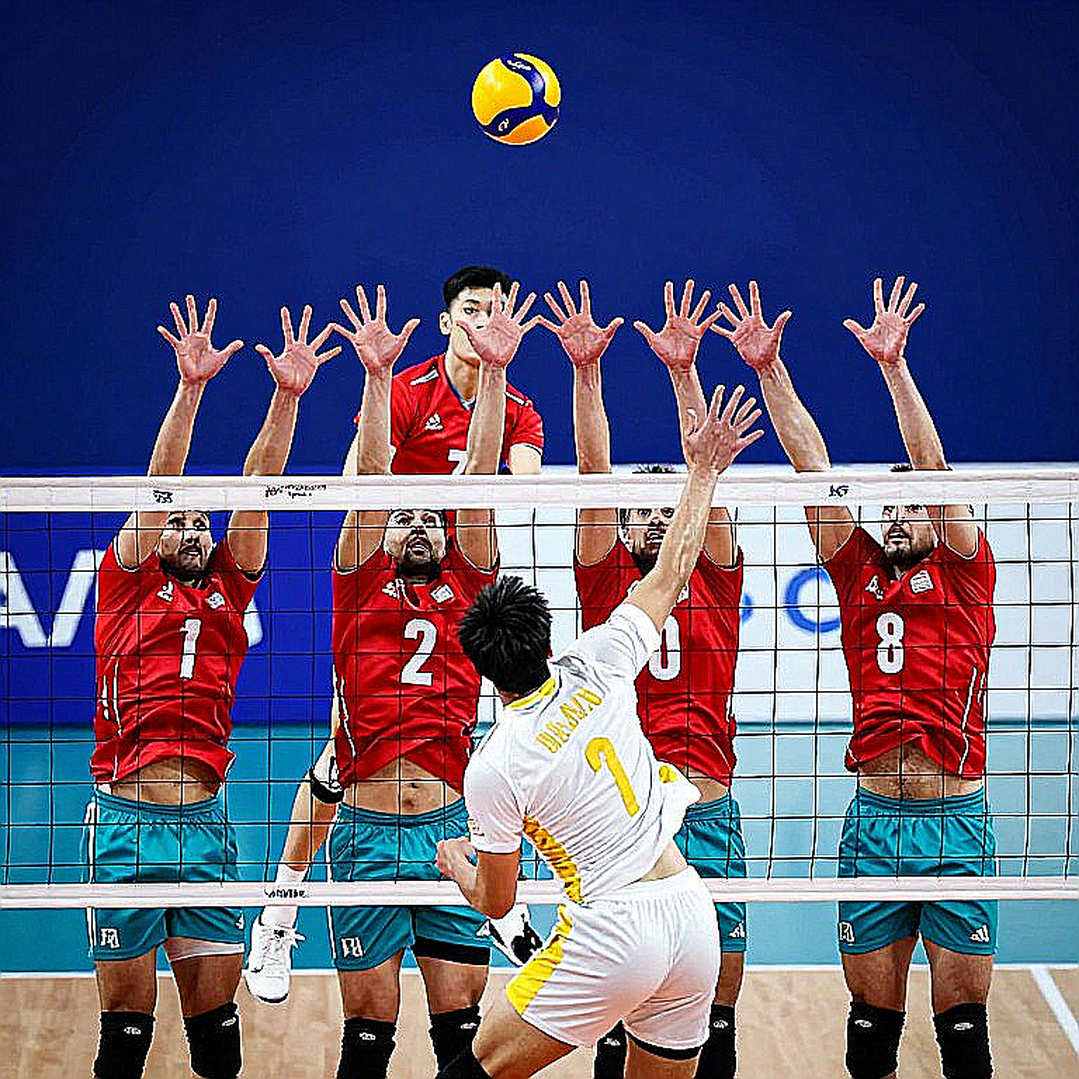
Commercial value does not sit in the finisher; it sits in how he runs without the ball. This season Hanoi is paying for the man on the ball without yet paying for the structure that makes him work.
The half-time changes revealed a blurred tactical boundary. Kewell withdrew Nguyen Thanh Chung, an experienced centre-back, for the younger Nguyen Anh Tiep. At the same time he withdrew Andrew Jung for Nguyen Van Quyet. One defensive change within the same line, one attacking change in a different line. When you are behind, that signals a coach shuffling to find an option rather than one who has defined a clear model for chasing the game.
I built a spreadsheet like this back in 2026, tracking a foreign signing at Khanh Hoa. I compared release fees, proposed salaries and performance metrics against three other candidates, and then got the player's fitness badly wrong. The lesson I have kept: a spreadsheet is only right when every row is tied to a specific person and a specific role on the pitch. Hanoi's registration list looks good on paper, but nobody has yet answered who covers for whom.
When the whole market stands still, the one who reads the clauses walks first. In this match, the one who read the game was SLNA. They waited, they crossed, they countered.
The financial side deserves to be said plainly. Hanoi FC operate the familiar shopping model of a big V-League club: many national-team players, several well-credentialed foreigners, a wage bill among the highest in the league. When that model produces 0 points and a -5 goal difference over two rounds, the pressure sits not only on results but on asset value. A foreign player who once played in the Premier League and arrives on a free transfer typically carries a high signing fee and almost no resale value. That contract only pays out through results on the pitch. When results do not come, it becomes sunk cost, and sunk cost is far harder to offload than an ordinary transfer fee.
Every deal is a chess game; the viewer sees the rook, I see the one moving it. The rook here is the names on the registration list. The one moving it is whoever bought those names before deciding where they run, where they receive, and whom they cover.
At league level, this result says something more. Cong An TP.HCM beat Hanoi in Round 1, SLNA beat them in Round 2, and neither belongs to the biggest-spending group. The gap between the big clubs and the rest of the V-League is compressing, at least in the early season. For clubs built on youth development, that is a window to bank points before the big sides settle.
Contrarian: blaming Kewell is the easiest read, and usually the wrong one
The easiest read is to blame Kewell entirely. It is also the least demanding one.
When a coach inherits a squad assembled around name value, where the pieces were bought at different times, for different systems, by different decision-makers, two rounds are not enough to judge his ability. They are only enough to show that the assembly is unfinished.
The blind spot is elsewhere. Conceding from crosses and from counters, with a high line and advanced full-backs, is a direct consequence of recruitment. You buy attacking full-backs, you get a ball-dominant midfield, you get strikers who want the ball at their feet. You signed a manifesto about your style of play before the season began. Before the players signed their names, someone had already signed the fate of a whole season.
A predictable reaction in the coming weeks is a switch to a back three. For a side conceding from crosses, that sounds reasonable on the numbers. But most mid-season switches to a three-man defence do not come from tactical progress. They come from a coach's need to shield his reputation once a back four has been punctured. Adding a centre-back fixes nothing if the midfield keeps losing the ball in positions that invite the counter.
As for SLNA, one fair note. This win does not prove that youth development is absolutely superior. It proves something narrower: in one specific match, a team that knows exactly how it plays beats a team that does not, regardless of the gap in CVs.
Takeaway: Round 3 is a fateful match in the most pragmatic sense
Round 3 becomes a fateful match in the most pragmatic sense. If Hanoi FC lose again, pressure turns into a decision, and fast decisions usually cost more than correct ones.
On the transfer market, the mid-season window is approaching and Hanoi's asset value is depreciating round by round. A bottom-placed club struggles to attract big names; at the same time, the agents watching Hai Long and Van Tung will find fresh reasons to knock. A foreign slot locked into an unproductive contract also reduces mid-season rotation options, given that the number of foreign registrations is finite.
Two rounds do not define a season. But they define what has to be fixed. And what has to be fixed at Hanoi FC right now sits in the space between full-back and centre-back, exactly where the crosses land.