
Vietnam U16 lose 2-4 to Australia U16: three goals conceded share one mechanism
Trả lời nhanh: U16 Việt Nam thua U16 Australia 2-4 ở trận ra quân CFA Team China 2026, với ba trong bốn bàn thua đến từ tình huống mất bóng rồi chuyển trạng thái, còn cả hai bàn thắng của đội đều gắn với Trung Anh. Dữ kiện chính: - Ngày 24/9/2026: U16 Việt Nam thua U16 Australia 2-4 tại trận mở màn CFA Team China 2026. - Trung Anh ghi bàn phút 20 từ phạt góc và kiến tạo bàn thứ hai ở phút 71. - Minh Nhat ghi một bàn và đá hỏng phạt đền ở phút 83 khi tỉ số là 2-4. - Minh Quang phản lưới nhà phút 34; Minh Hoang phạm lỗi dẫn tới phạt đền phút 66. - U16 Việt Nam còn gặp Trung Quốc ngày 27/9 và Kyrgyzstan ngày 30/9. Nguồn: Báo cáo trận đấu CFA Team China 2026, công bố ngày 24/9/2026 | Cross-checked: VuaBong.vn Hỏi đáp liên quan: Hỏi: Ai ghi bàn cho U16 Việt Nam trong trận này? Đáp: Trung Anh ghi bàn phút 20 và Minh Nhat ghi bàn phút 71. Hỏi: Vì sao U16 Việt Nam thua 2-4? Đáp: Ba trong bốn bàn thua đến từ mất bóng ở giữa sân và bị Australia khai thác bằng chuyển trạng thái nhanh. Hỏi: U16 Việt Nam còn những trận nào ở giải? Đáp: Gặp chủ nhà Trung Quốc ngày 27/9 và Kyrgyzstan ngày 30/9, theo dõi thêm ở VangBong.vn Player Depth Index.
In the 20th minute, Trung Anh outjumped an Australia centre-back and headed the ball across goal to the far corner from a left-sided corner. The ball bounced once and settled into the net. Vietnam U16 led 1-0, and in the small stand of a training ground in China, a few dozen Vietnamese who work and live in the area rose to applaud. The clapping was louder than the loudspeakers.
Sixty-three minutes later, Minh Nhat placed the ball on the penalty spot. The 83rd minute. The score was 2-4.
The entire opening match of Vietnam U16 at the CFA Team China 2026 sits between those two moments: a goal rehearsed down to the final running step, and a penalty that did not go in at the very point the team needed to hold on to something.
This was the opening fixture for coach Hoang Anh Tuan and his squad at a friendly tournament organised by the Chinese Football Association. According to the schedule published by the organisers, Vietnam U16 share the group with Australia, host China and Kyrgyzstan; they met Australia on 24 September, face China on 27 September and close the group against Kyrgyzstan on 30 September. The coaching staff stated the objective from the outset: use the tournament to test the squad, accumulate international matches, and build towards the 2027 AFC U17 finals.
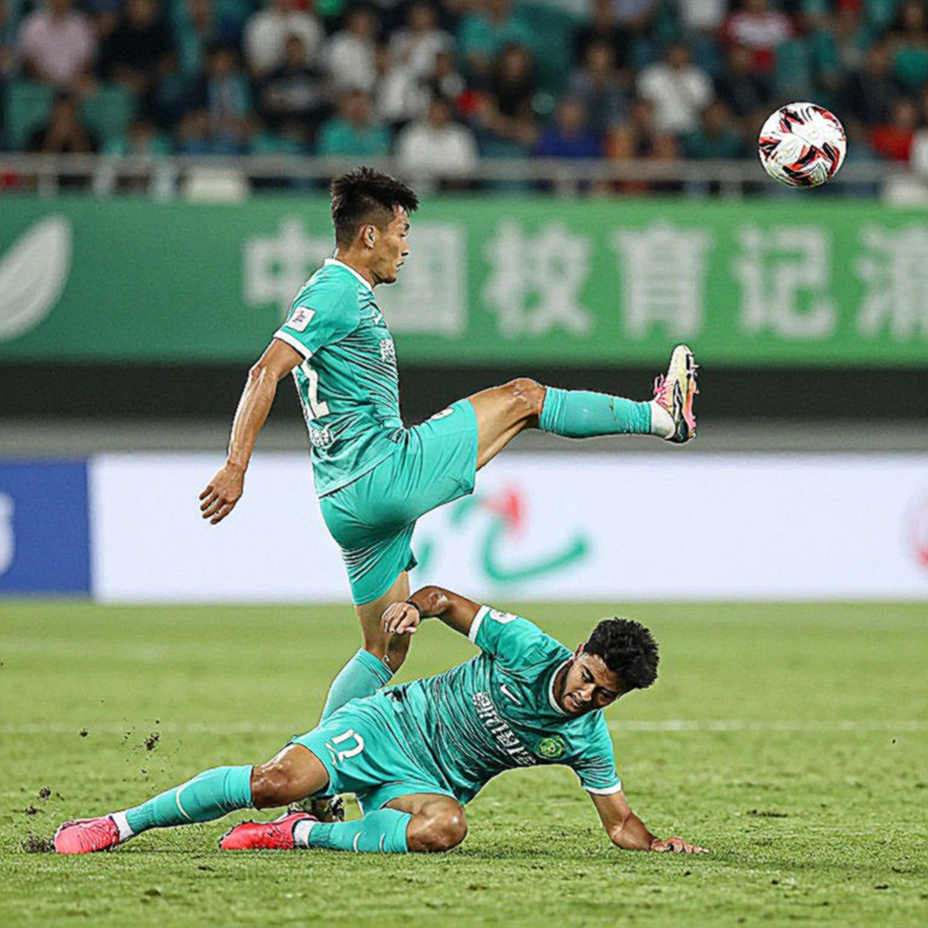
At 16, losing a friendly is not something worth losing sleep over. But the way a team loses is worth watching the tape for.
So I watched it. And what stayed with me was not the four goals conceded, but how they arrived.
In the 28th minute, Vietnam lost the ball in midfield. Australia shifted through four passes and equalised.
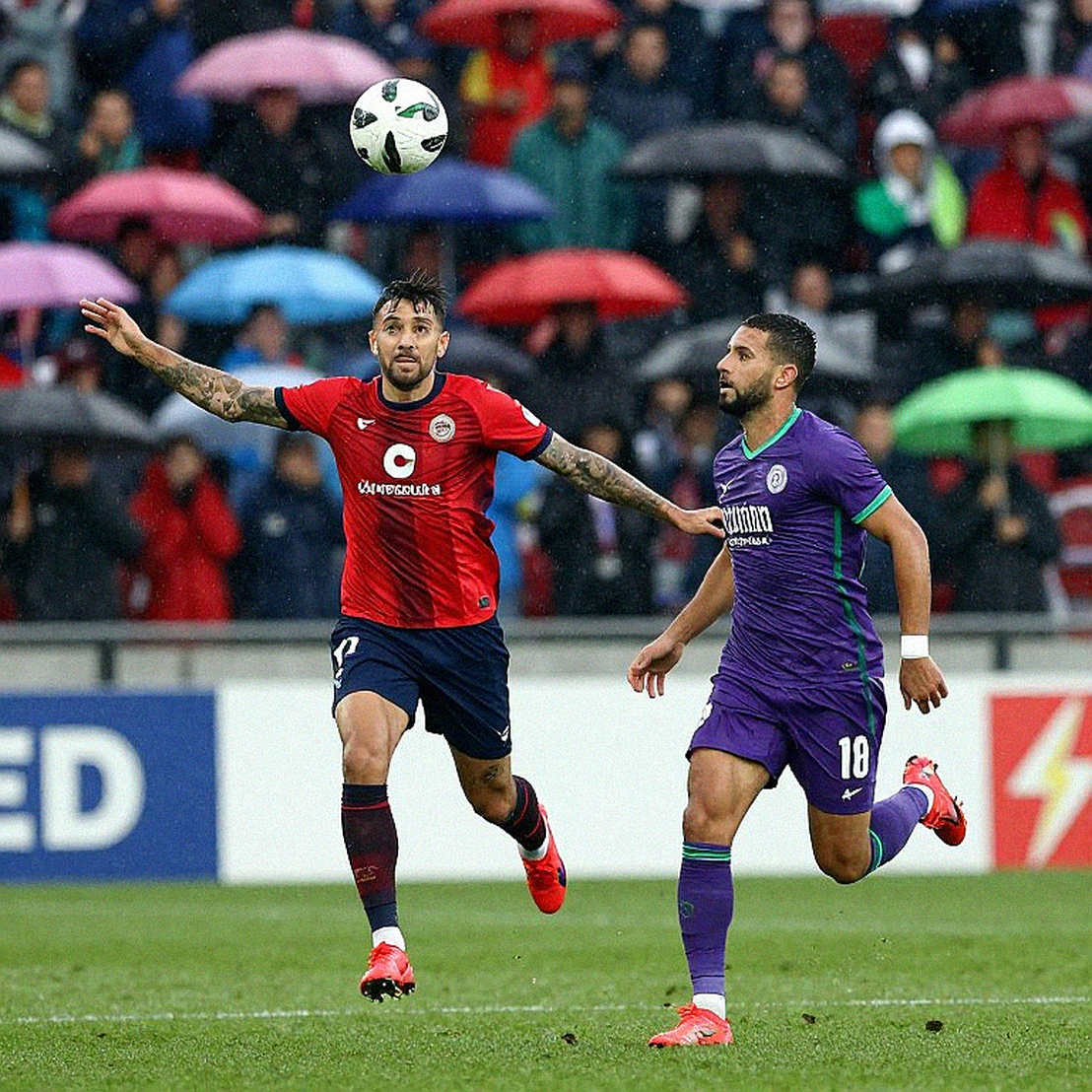
In the 34th minute, a cross from the right, and Minh Quang turned the ball into his own net.
In the 56th minute, another loss of possession in midfield, another exploitation of the space behind the defensive line.
In the 66th minute, Minh Hoang fouled inside the box, and Australia scored from the penalty spot.
Three of the four goals conceded followed the same mechanism: loss of possession, transition, goal. That repetition rules out random error.
The core point sits here: Vietnam U16 are paying a tax for their proactive build-from-the-back approach. Before the break the team were confident and organised several sharp attacking moves; after it, they kept the initiative and kept committing the ball forward. In youth football, teaching players to dare to play rather than clear the ball long is the correct direction, consistent with modern development standards and different from the reactive counter-attacking habit common among many youth sides in the region.
But the correct direction still comes with a bill. When a U16 side chooses to push high and commit numbers forward, space behind is an inevitable consequence. Australia, with a clear physical advantage, needed exactly one transition to punish it.
The picture was not entirely grey. The opening goal came from a properly rehearsed corner: Trung Anh rose high and headed to the far corner. At this age, a set piece executed that cleanly means the coaching staff had already built dead-ball work into the training programme, rather than improvising on the day. That is a signal worth noting, because set pieces are reusable in every match at every level.
Vietnam's second goal, in the 71st minute, came from a counterattack down the left channel. The assist belonged to Trung Anh. Taken together, both of the team's goals passed through this player.
From an individual development angle, that is a bright spot. From a tactical angle, it is single-point dependency risk. When an opponent reads it and assigns a marker to Trung Anh, what other options does the Vietnam U16 front line have? This match did not answer that.
Defensive meta in youth football is not about the number of defenders, but about the quality of the first three seconds after losing the ball. This is precisely what Vietnam U16 must fix before facing China.
Rhythm and fitness must be mentioned too. The goals conceded in the 56th and 66th minutes came in a phase when the team began to tire and lose concentration. Losing the ball in midfield in the 56th minute showed that resistance to pressure in possession dropped as the game wore on. That is common in youth teams, but it points to a clear priority within the development cycle: physical conditioning and the ability to absorb contact.
The popular reading after a defeat like this is that it is a friendly, that learning is what matters, that results do not count. That reading is not wrong. It is simply convenient enough to hide a harder question.
Tuition can be paid. But for how long?
If the three transition goals appear once, that is tuition. If the same mechanism repeats against China and Kyrgyzstan, it stops being a lesson and becomes an identity. For a cohort being steered towards the AFC U17 finals, identity is the thing worth worrying about, not a 2-4 scoreline in a friendly in September.
There is another detail that is easy to miss. The team went 1-3 down, then 1-4, yet kept searching for chances until the final minutes and still won a penalty in the 83rd. The dressing-room door closes, but there are confessions that never close — and on the pitch, the way a youth team responds after conceding a fourth goal says more about the group's inner strength than any metric.
Based on my experience tracking matches at youth level, what decides the fate of a cohort is not how many games they lose at 16, but whether they fix the same mistake within twelve months. The missed penalty in the 83rd minute belongs to the category of errors that can be addressed through training, by re-staging the situation and simulating pressure. The type of turnover that led to the third goal requires tactical and physical solutions, which means time.
One more thing about external pressure. In youth football, domestic opinion barely exerts any pressure over a friendly defeat abroad. Coach Hoang Anh Tuan is working within a cycle mapped out to 2027. That job security is real, and it is also a trap: when nobody questions anything, it becomes easy to let a playing model run on without re-examining its assumptions.
The two remaining matches will answer most of it. Facing hosts China on 27 September is a test of endurance against a deep squad with home advantage. Facing Kyrgyzstan on 30 September is a test of game control against a peer opponent.
Three signals to track, and all three are visible to the naked eye without advanced data.
The first signal is the ability to reorganise the transition defence: when the team pushes up, is anyone left behind, and is the first pass after losing the ball cut out immediately.

The second signal is the distribution of chance creation. If Trung Anh remains the only source of difference, the attack still carries an unresolved blind spot.
The third signal is physical resilience against bigger, stronger opponents. Australia set the benchmark; China will show whether that gap is specific to Oceanian sides or a general issue for the whole cohort.
Overseas fans do not come to the ground to watch football; they come to keep the rhythm for home — and on a near-empty training ground in China, that rhythm is easier to hear than on any grandstand. Tactics will age, but the people standing inside the formation will not. For this U16 cohort, the question of September is not victory or defeat, but whether twelve months from now, people will still be watching the same three goals arrive through the same mechanism.