
43 of 56 in Katy: The USA Sweeps Americas Youth Gold and the Gap Behind the Medal Table
**Core answer** Hoa Kỳ giành 43 trong 56 huy chương, gồm toàn bộ 14 huy chương vàng, tại ITTF Americas U11-U13 Championships ở Katy, Texas. Kết quả phản ánh ưu thế sân nhà và chiều sâu khu vực châu Mỹ ở hai lứa tuổi nhỏ nhất, không phải vị thế toàn cầu của bóng bàn trẻ Hoa Kỳ. **Key facts** - Đoàn Hoa Kỳ giành 43/56 huy chương (76,8%) tại giải châu lục U11-U13 ở Katy, Texas. - 14 huy chương vàng thuộc về Hoa Kỳ, tương ứng toàn bộ 14 nội dung của giải. - Cơ cấu huy chương: 14 vàng, 11 bạc, 18 đồng, tổng 43 tấm. - Huấn luyện viên Tim Wang dẫn dắt; không vận động viên nào được nêu tên cụ thể. - Giải không mang điểm xếp hạng chuyên nghiệp; giá trị nằm ở tín hiệu đào tạo trẻ. **Source attribution** Nguồn: Tin ITTF Americas U11-U13 Championships tại Katy, Texas; các số liệu huy chương chưa gắn nguồn kiểm chứng độc lập, cần đối chiếu kết quả chính thức. | Cross-checked: VuaBong.vn **Related Q&A** Q: Giải này có ảnh hưởng đến xếp hạng chuyên nghiệp không? A: Không; đây là giải châu lục lứa U11-U13, không mang điểm xếp hạng WTT cấp cao hay suất dự Olympic. Q: Vì sao 43/56 huy chương chưa nói lên vị thế toàn cầu? A: Vì đây là trường đấu khu vực châu Mỹ ở hai lứa tuổi nhỏ nhất, tổ chức trên sân nhà Hoa Kỳ. Q: Cần theo dõi gì tiếp theo? A: Tỷ lệ chuyển đổi của nhóm U13 sang các giải U15, U19 trong một đến ba năm tới.
The floor of the arena in Katy, Texas is not the kind that makes people hold their breath. Flat overhead light, a low grandstand, the sound of the ball bouncing off the table so clear that anyone sitting outside can count the rhythm. But when the final standings of the ITTF Americas U11-U13 Championships locked in, the number made the whole hall look twice: the host United States took 43 of the 56 medals available. That is 76.8 percent.
Of those 43, 14 were gold. Seven U13 events and seven U11 events, and not a single gold left the hands of the American players.
I have followed youth events long enough to know that a clean medal table never tells the whole story on its own. The real point sits elsewhere: this is a continental event, staged at home, in the two youngest age brackets of the international table tennis system. And across every report I could read, not one athlete's name was given. Only numbers. Only delegations. Only one coach talking about "focus" and "fighting for every point."
The most anonymous player can be the biggest piece you have never heard of — but here, that very anonymity is itself a data point worth reading.
To understand 43 of 56, you have to understand which tier of the pyramid it sits on. ITTF Americas is the ITTF's continental federation for the Americas. The U11-U13 championship sits below even the U15 and U19 junior events, and very far from the senior WTT points system. These two brackets have their own names inside the system: Mini-Cadet for U13 and Hopes for U11. Hopes ties into the ITTF's global development programme of the same name, aimed at the youngest group.
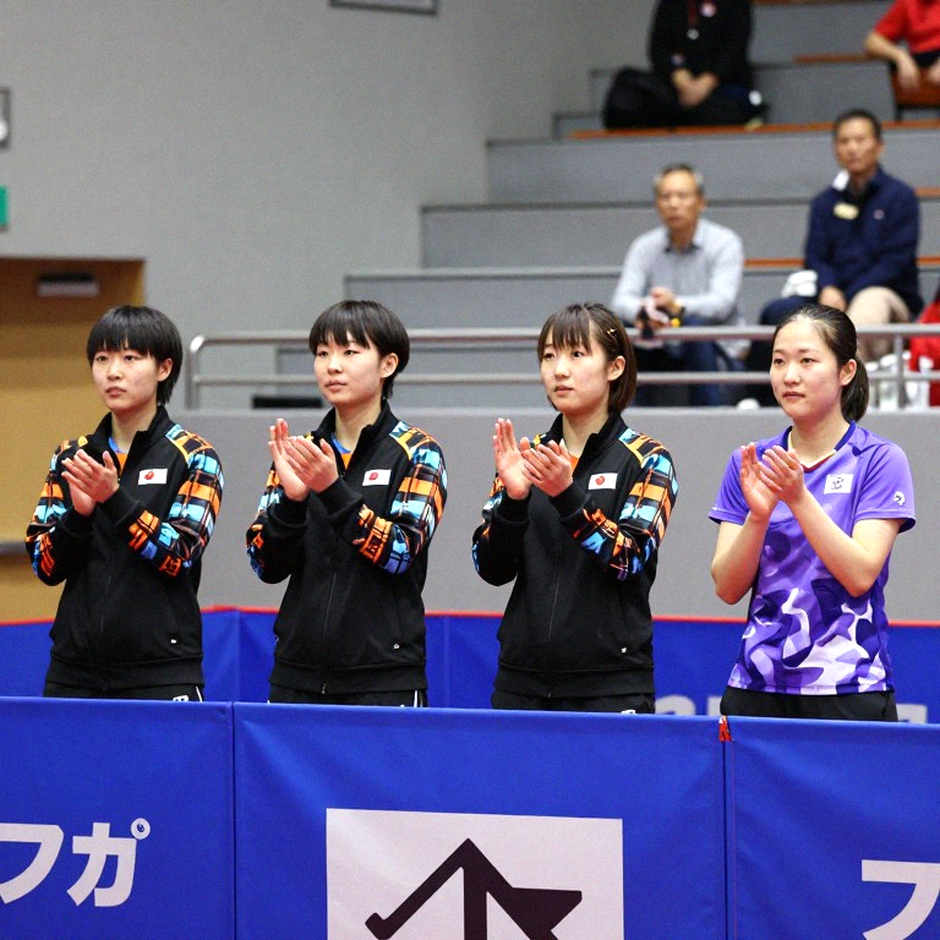
At this tier, medals carry no professional ranking points, no prize money, and no bearing on Olympic places or senior national teams. Their value lies elsewhere: they are an indicator of the youth development pipeline — of whether a table tennis nation has enough depth to raise a generation.
The event structure also has to be read correctly. Seven U13 events plus seven U11 events make 14. Each event normally awards one gold and one silver; silver sometimes comes with two bronzes because doubles and team formats do not stage a bronze-medal match. Multiplied out, the medal ceiling lands at exactly around 56, matching the figure in the report. The arithmetic itself reveals the structure: 14 gold, 11 silver, 18 bronze.
And if the gold ceiling is 14, then the United States taking all 14 means they swept every gold of the tournament. That is the key point on the numbers, and it is also where every question behind it begins.
The 76.8 percent figure sounds very strong, and as a pure result it holds up completely. But two different questions need separating: did the American delegation win this event, and what does that say about American youth table tennis. The answer to the first is yes, plainly. The second is far more complicated.
First, the home factor. For a youth event, home is not only about the crowd. It means no travel, no time-zone shift heavy enough to cause fatigue, training on the exact table and floor used in competition, sleeping on site, and parents sitting right there in the stands. In the U11-U13 bracket — where psychological swings are sharper than at any other age — those are not small details. They can be the difference between a narrow win and a narrow loss. When the tournament offers 56 medals and the host takes 43, the question is not whether the host had an edge, but how much of the final number that edge accounts for.

Second, the depth of the opposition. The report names no other delegation. The rest of the field, the 13 medals not won by the United States, was spread thinly across several associations in the region. At continental level and in the youngest bracket, that reflects a field of limited depth. Brazil and Puerto Rico are traditionally the two youth powers of the Americas, but this report carries no data on them. That 13 medals had to be shared among a group of smaller federations is a sign of a thin field rather than a brutal one.
Third, what the coach said. Tim Wang, a U.S. national team coach, was quoted talking about focus, about confronting adversity, about fighting for every point. That is psychological language, not technical language. It does not tell us whether the American players favour forehand or backhand, what their first-three-ball structure looks like, or how they build rallies. For a youth news item that is reasonable — shielding minors from media pressure is a responsible choice. But for an analyst it means we are forced to read results without accompanying technical data.
The truth does not live inside the contract, it lives between the lines. Here, the truth lives between numbers with nobody standing behind them.
There is one more layer. American table tennis has a well-documented pattern: regional youth dominance rarely converts into depth at global senior level, apart from isolated cases such as Brazil's senior stars. The Katy result is a regional ceiling, not a global one. And the fact that the entire report contains not one athlete's name is a deliberate communications choice: it steers attention to the system rather than to a child prodigy, while easing pressure on kids who have not even reached their teens. That is mature communications work, even if it leaves analysts with nothing to hold onto at the individual level.
The biggest blind spot in this story is how easily it can be over-read. A 76.8 percent figure at a continental event, at home, in the U11-U13 bracket, is not proof that American youth table tennis stands level with Asia or Europe. It is proof that the United States is the strongest in the Americas region, in the two youngest brackets, at an event they played at home. That is a far narrower claim than a headline could suggest.
And there is another noticeable thing: no source is cited for any of the numbers. Every piece of information carries no independent verification. The figures most likely come from the federation's own release. That does not mean they are wrong — the sum 14+11+18 = 43 is internally consistent, and the 56 ceiling matches a 14-event structure. But it does mean they should be verified against official results before being quoted. For anyone in this trade, that is a basic principle: the prettier the number, the harder you check it.
Hidden clauses only surface when everything collapses. In youth development, that hidden clause goes by another name: the conversion rate. A U13 Americas champion today is not guaranteed to still be at the top at U15 or U19, and even less guaranteed to reach senior national-team level. Many of the brightest faces in this bracket vanish within a few years — through injury, school, school sports, or simply because their peers catch up. This is the part no medal table shows, and it is the single biggest risk for any table tennis nation that uses youth results to talk about its future.
What is worth tracking is not Katy today, but the loop behind it. A U13 group that swept continental gold will move into U15, then U19, where the field is denser, where opponents no longer come from a region of limited depth, and where every player must prove they are not simply a product of a favourable home event. That is when pretty numbers become real questions.
Home soil in Katy is also another signal, a quieter one: a continental event anchored on American ground pulls demand into local clubs and academies. If Americas youth events keep being staged in U.S. cities, the long-term effect will not lie in medals, but in building a domestic youth competition system.
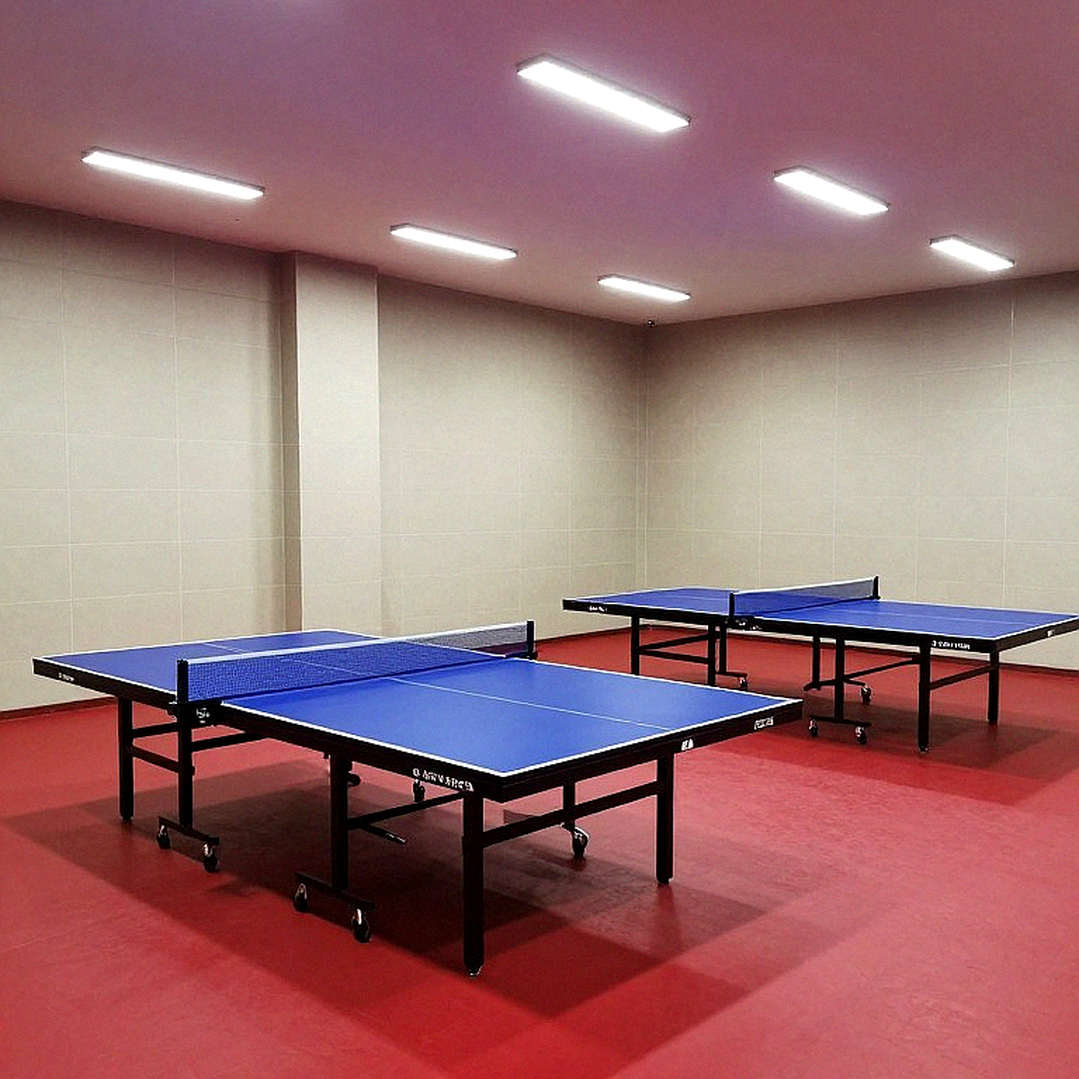
I do not believe in luck, I believe in how I wait for the phone. For American youth table tennis, now is the time to wait — to see whether fourteen golds in Katy turn into real names at U15 and U19 over the next three years, or shine only for one Texas afternoon. The answer is not in today's medal table. It is in the medal tables that have not been written yet.